
Your Ultimate Guide to Trekking in the Himalayas
Introduction to the Annapurna Region
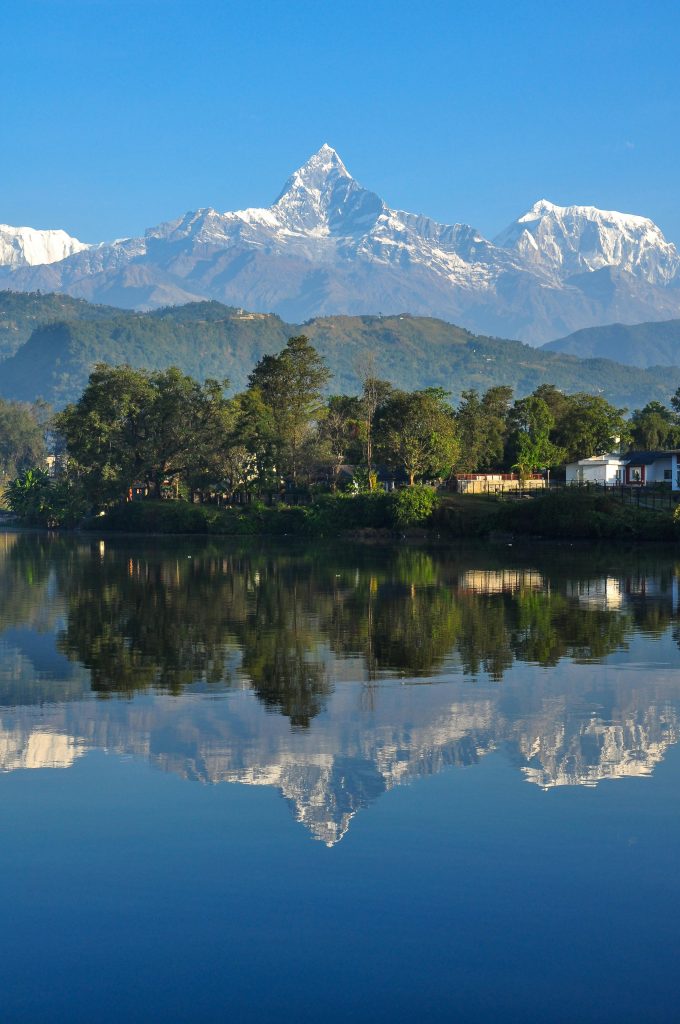
Nestled in the heart of Nepal, the Annapurna Region is a spectacular Himalayan paradise offering some of the world’s most accessible and diverse trekking experiences. Home to one peak above 8,000 meters (Annapurna I), thirteen peaks above 7,000 meters, and sixteen above 6,000 meters, this region combines breathtaking mountain scenery with rich cultural encounters.
Why Trek the Annapurna Region?
Accessible Adventure
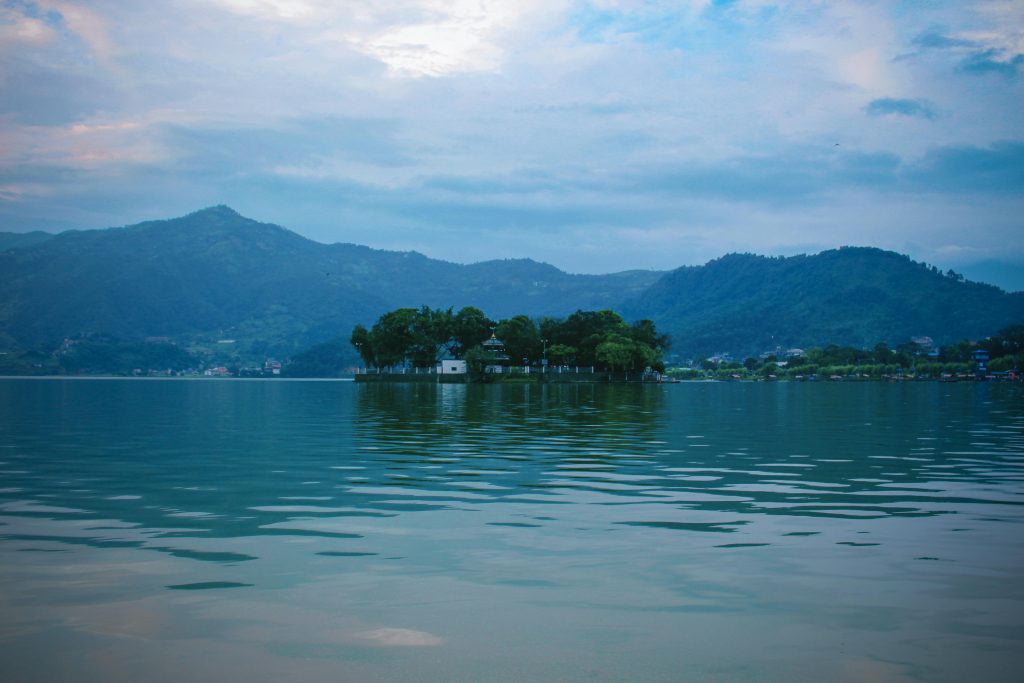
· Gateway City: Pokhara, a beautiful lakeside city with all modern amenities
· Well-developed trails: Suitable for both beginners and experienced trekkers
· Multiple starting points: Easy access from Kathmandu and Pokhara
Diverse Landscapes
· From subtropical forests to high alpine meadows
· World’s deepest gorge: Kali Gandaki Valley
· Spectacular viewpoints like Poon Hill and Annapurna Base Camp
Papular Trekking Routes
- Annapurna Circuit (14-21 days)
The classic Himalayan trek encircling the Annapurna Massif
· Highlights: Thorong La Pass (5,416m), diverse climate zones, Manang Valley
· Best Season: March-May, September-November
· Difficulty: Moderate to challenging
- Annapurna Base Camp (7-12 days)
Walking into the heart of the Himalayas
· Highlights: Machhapuchhre Base Camp, natural hot springs at Jhinu Danda
· Best Season: Spring and Autumn
· Difficulty: Moderate
- Poon Hill Trek (4-5 days)
Perfect for beginners and families
· Highlights: Sunrise over Dhaulagiri and Annapurna ranges, Ghorepani village
· Best Season: Year-round (except monsoon)
· Difficulty: Easy to moderate
- Mardi Himal Trek (5-7 days)
The hidden gem with fewer crowds
· Highlights: Close-up views of Machhapuchhre (Fishtail Mountain)
· Best Season: Spring and Autumn
· Difficulty: Moderate
Cultural Experience
The Annapurna region is a cultural mosaic where you’ll encounter:
· Gurung and Magar communities with rich traditions
· Ancient Buddhist monasteries and Hindu temples
· Traditional mountain villages with unique architecture
· Local festivals and warm hospitality
Flora and Fauna
Annapurna Conservation Area
· Largest protected area in Nepal (7,629 sq km)
· 1,200+ species of plants, including vibrant rhododendron forests
· Home to rare wildlife: Snow leopard, red panda, Himalayan tahr
· Over 450 species of birds
Practical Information
Permits Required:
- Annapurna Conservation Area Permit (ACAP)
- Trekkers’ Information Management System (TIMS) card
Best Time to Visit:
· Spring (March-May): Rhododendrons in bloom, clear skies
· Autumn (September-November): Stable weather, best mountain views
· Winter (December-February): Cold but fewer crowds
· Monsoon (June-August): Lush greenery but leeches and rain
Accommodation:
· Tea houses: Basic to comfortable lodges along all routes
· Homestays: Cultural immersion in local villages
· Camping options: Available for remote areas
Preparation and Safety
Physical Fitness
· Start training 2-3 months before your trek
· Focus on cardio and leg strength
· Practice hiking with your backpack
Essential Packing List:
· Layered clothing (thermal, fleece, waterproof)
· Quality hiking boots (broken in!)
· Sleeping bag (-10°C comfort rating)
· Water purification system
· Basic first aid kit
· Headlamp with extra batteries
Altitude Safety:
· Acclimatize properly (max 300-500m gain per day above 3,000m)
· Recognize symptoms of AMS (Acute Mountain Sickness)
· Stay hydrated and ascend slowly
Sustainable Trekking Practices
Leave No Trace
· Carry out all trash
· Use designated toilet facilities
· Respect wildlife and plants
Support Local Communities
· Stay in locally-owned tea houses
· Hire local guides and porters
· Buy local products and crafts
Cultural Respect
· Dress modestly, especially when visiting religious sites
· Ask permission before photographing people
· Learn basic Nepali phrases
Getting There
From Kathmandu:
· By air: 25-minute flight to Pokhara
· By tourist bus: 6-7 hours scenic drive
· By private vehicle: 5-6 hours
From Pokhara to Trailheads:
· To Nayapul: 1.5-2 hours by vehicle (for ABC/Poon Hill)
· To Besisahar: 3-4 hours (for Annapurna Circuit)
Beyond Trekking
The Annapurna region offers more than just trekking:
· Paragliding over Pokhara and the mountains
· Mountain biking through picturesque trails
· White water rafting on Seti and Trishuli rivers
· Yoga and meditation retreats in serene settings
· Cultural tours of Pokhara’s lakes, caves, and temples
Ready to Experience the Annapurna Magic?
The Annapurna region isn’t just a trekking destination—it’s a journey that transforms perspectives. Whether you’re watching sunrise over the Himalayas from Poon Hill, crossing the mighty Thorong La Pass, or sharing tea with a local Gurung family, you’ll collect memories that last a lifetime.
Start planning your Annapurna adventure today!
Need help planning? Contact our expert trek consultants for personalized itineraries, permit assistance, and local insights.
[Button: Download Trekking Guide PDF] [Button: View Recommended Itineraries] [Button: Contact Our Experts]
Footer Note:
This information is updated regularly. Check with official sources for latest permit requirements and trail conditions. Trek responsibly and respect the majestic environment of the Annapurna region.